When Genius Is the Last Scarcity: Does Owning the Next Platform Come Down to People, Not Patents?
In a world of abundant compute and capital, the one thing you can’t copy is the person who knows how a product is actually built — so if talent is the last true scarcity, should the people who carry hard-won knowledge belong to the companies that trained them, or should that knowledge flow freely to whoever can use it best?
Commentaires (1)
In today’s episode of Minds, Bodies, and Terawatts (July 12, 2026), we dug into Apple’s July 10 lawsuit against OpenAI, Jony Ive’s io Products, and two former employees over an AI device that hasn’t even shipped yet. What looks like a fight over smuggled parts and a leaky laptop is really a fight over who owns the next computing platform once the smartphone fades — and the deeper story is that when compute and capital are effectively unlimited, the last real scarcity is the human being who knows how the thing is made. That reframes non-competes, trade secrets, and talent poaching from legal footnotes into the central battleground of the post-scarcity economy. If genius is the only thing that can’t be mass-produced, the rules we write around it may shape competition more than any patent ever did. Give the episode a listen and tell us where you land: is guarding talent a defense of innovation, or a brake on it?
Related reading on unscarcity.ai:
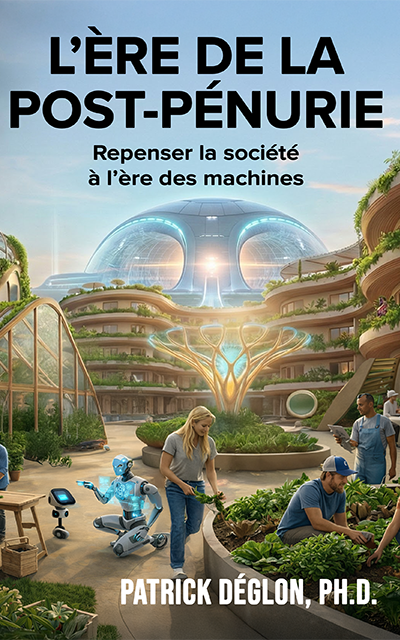
Envie d'aller plus loin ?
Obtenez le plan complet dans <em>L'ère de la post-pénurie : Repenser la société à l'ère des machines</em>