Does a world without work make us better off, even if the math works?
Musk’s Universal High Income assumes AI will eventually make goods so cheap that full prosperity becomes affordable for everyone—but even if that economic math checks out, does replacing work entirely actually improve human flourishing, or does it ignore something deeper about purpose and meaning that money alone can’t solve?
Commentaires (1)
In today’s episode of Minds, Bodies, and Terawatts (April 18, 2026), we dug into Musk’s claim that AI-driven price collapse makes Universal High Income viable, while economists warned about inflation consuming those gains. But the episode raises a question the headlines miss: what if the real problem isn’t whether we can afford a world without work, but whether humans thrive in one? The episode explores how post-scarcity frameworks in the book tackle this deeper tension—between economic sufficiency and existential purpose. Listen in to hear how the conversation moves beyond “will UHI work?” to “what does work actually do for us?”
Related reading on unscarcity.ai:
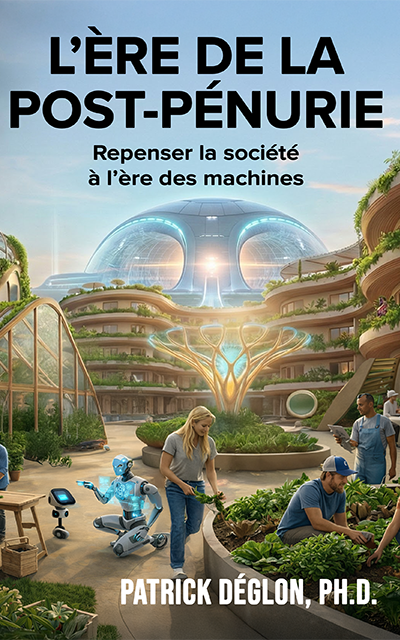
Envie d'aller plus loin ?
Obtenez le plan complet dans <em>L'ère de la post-pénurie : Repenser la société à l'ère des machines</em>