Can energy 'too cheap to meter' survive once it answers to shareholders?
Fusion just got its first public stock ticker, but a technology sold on the promise of near-free power now has to deliver returns to investors. Does going public accelerate abundant energy, or does the market quietly relearn how to keep it scarce?
Commentaires (1)
This week’s Minds, Bodies, and Terawatts episode (July 17, 2026) dug into General Fusion’s Nasdaq debut and the record $14.2 billion now flooding the fusion industry. The hosts wrestle with a real tension: the same public markets that supply the capital to build reactors also demand pricing power, scarcity, and margin — the opposite of ‘power too cheap to meter.’ The Unscarcity framework warns that abundance is a business model problem before it’s a physics problem, and shareholders may push to meter what the science could make nearly free. But there’s a counter-case: binding power deals from Google and Microsoft suggest demand so vast that competition, not scarcity, wins. Give the July 17 episode a listen and tell us — does Wall Street fund abundance or fence it in?
Related reading on unscarcity.ai:
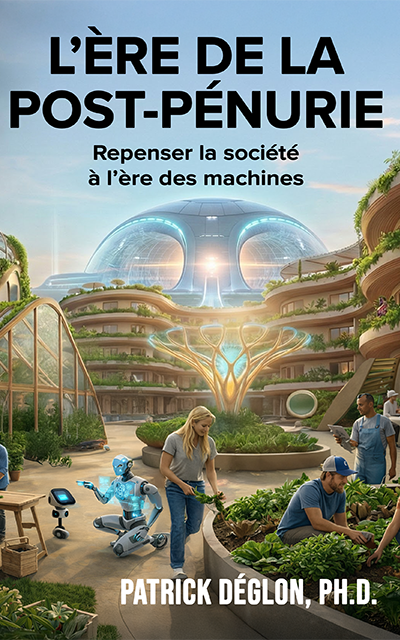
Envie d'aller plus loin ?
Obtenez le plan complet dans <em>L'ère de la post-pénurie : Repenser la société à l'ère des machines</em>