When near-frontier AI becomes a metered utility, who pays the price — the junior coder or the whole software business model?
Anthropic just undercut its own flagship, offering near-top coding intelligence at half the price. If genius becomes a cheap, everyday utility, does that gut the entry-level career ladder in software, reshape what a developer even does, or simply expand who gets to build?
Commentaires (1)
In today’s episode of Minds, Bodies, and Terawatts (July 25, 2026), we dug into Anthropic’s July 24th release of Claude Opus 5 — a model that comes close to its top-tier Fable 5 at half the price, with its biggest gains in coding. The twist isn’t raw capability anymore; it’s economics. When the near-frontier coder stops being a luxury purchase and becomes the default setting, the squeeze lands hardest on the boilerplate and test scaffolding that used to be a junior developer’s first two years. But a cheaper universal coder might also mean far more people building far more things — the commoditization of intelligence cuts both ways. Give the episode a listen and tell us where you land: is metered genius a career threat, a democratizing force, or both at once?
Related reading on unscarcity.ai:
Envie d'aller plus loin ?
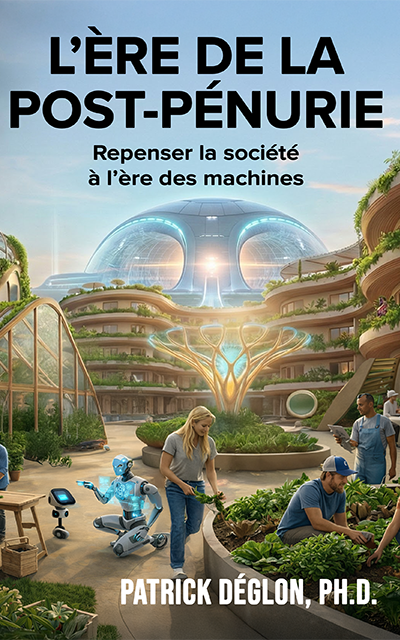
Obtenez le plan complet dans <em>L'ère de la post-pénurie : Repenser la société à l'ère des machines</em>