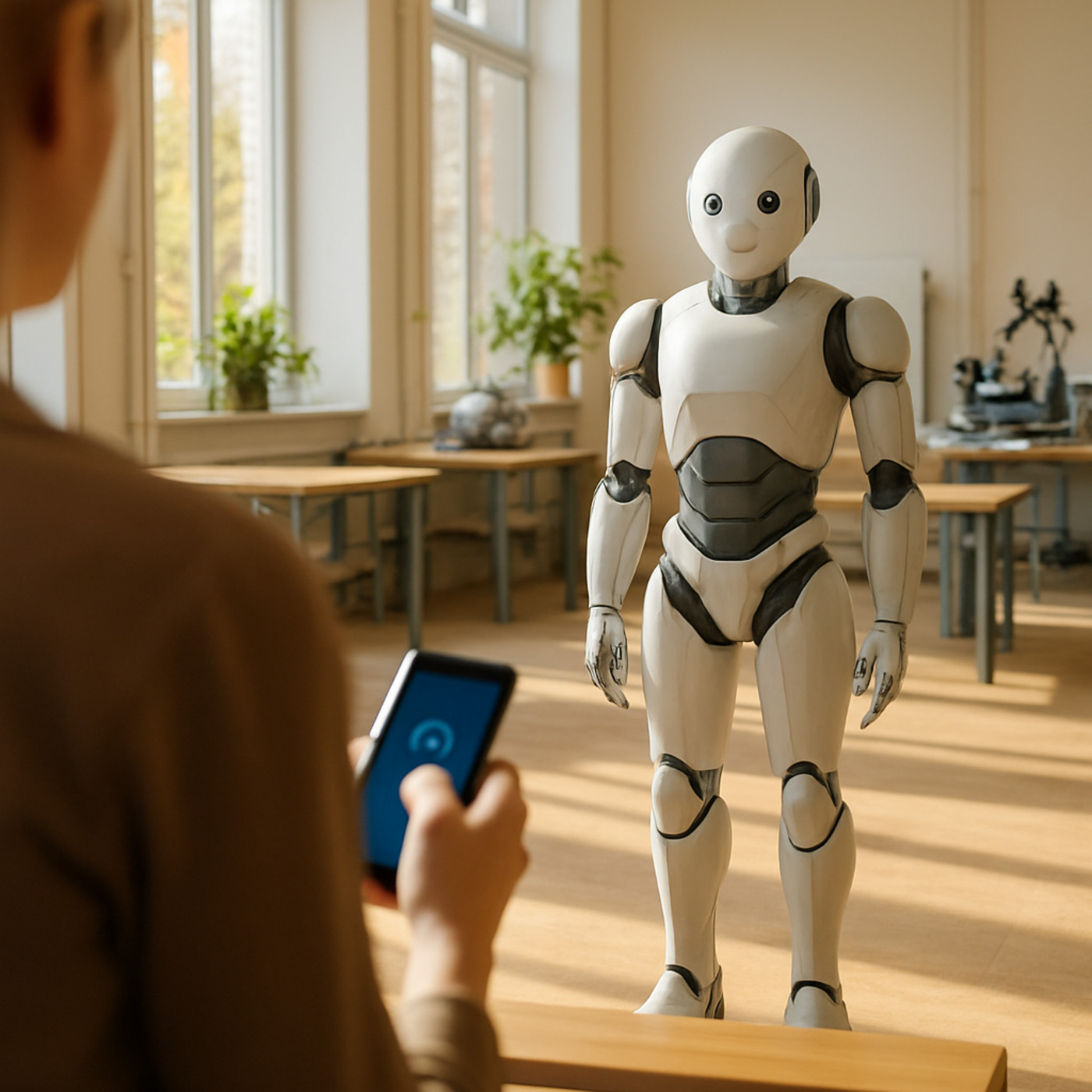
N'importe qui, à portée Bluetooth, peut prendre le contrôle de ce robot humanoïde — et l'interdiction américaine ne touche pas ceux déjà sur place
About This Episode
Le 27 août, le chercheur en sécurité Olivier Laflamme a publié deux failles du robot humanoïde Unitree G1. Sans appairage ni mot de passe, une personne à portée Bluetooth peut prendre le contrôle administrateur de l'ordinateur qui pilote les mouvements, les caméras, le micro et la détection de collision. Le défaut décisif était un contrôle de propriété que le serveur d'Unitree n'effectuait pas, et un robot compromis peut attaquer ses voisins. Un mois plus tôt, le régulateur américain avait inscrit les humanoïdes étrangers sur sa liste noire, une règle qui laisse explicitement circuler les appareils déjà homologués.
Our Take
Washington answered Chinese humanoids with a list of who is allowed to build them, and a week later one researcher showed the actual danger was a missing permission check that no list of vendors could ever catch.
Pour aller plus loin sur Unscarcity
Humanoid Robots 2026: 50,000 Units and a US Import Ban
It is the direct match: the piece analyzes the FCC Covered List order on advanced robotic devices and argues control has migrated from owning a resource to holding the right to authorize a device for a market — exactly the lever Washington pulled a month before this robot was shown to be trivially hijackable.
Blocklists Fail When Machines Write the Unknown
Its catalog assumption — that a list of known-bad artifacts is a security architecture — is precisely what a banned-vendor list is, and it cannot see a missing authorization check in a cloud API from any country.