Tesla Is Building Hundreds of Optimus Robots a Week, Every Hand Assembled by a Person, and the Workers Asked to Teach the Robots Their Moves Said They Knew What the Robots Were For
About This Episode
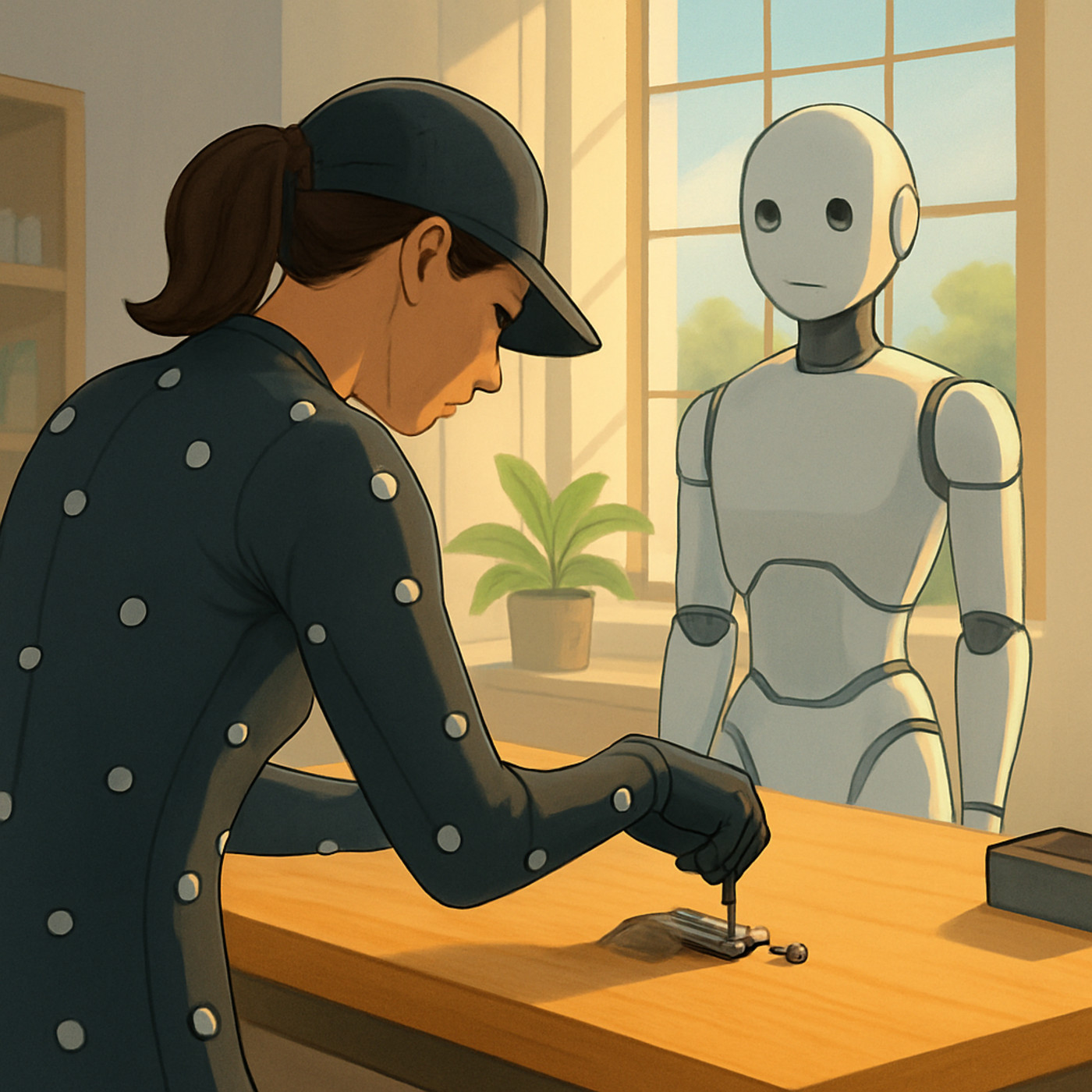
The Information reported on Friday, September 25 that Tesla has raised Optimus output about tenfold to several hundred robots a week at its converted Fremont line, but that each hand and forearm still takes more than 100 screws and small parts put together manually, the AI takes days to learn a basic task, and most units stay inside Tesla for testing and data collection. Employees asked to wear motion-capture suits complained that they knew the robots were designed to eventually replace them, and Tesla moved the data work to dedicated teams.
Our Take
The robot sold as the end of manual labor still needs human hands to build it and human bodies to teach it, and when the teachers objected Tesla changed who does the teaching, not what the teacher gets.
Continue Reading on Unscarcity
Tesla Optimus and the Case for Universal Income
Direct topical match on Optimus and the Fremont line, supplying the gap between Musk's production promises and what the factory floor delivers.
The Tool That Trains Its Replacement
Its distinction between mentorship, which runs on consent and reciprocity, and harvested training, where the value of the lesson flows only to the owner, frames what the Tesla workers objected to and what moving the work to dedicated teams did not change.