A Judge Told Musk's AI Company Its 'Temporary' Power Plant Is a Power Plant. The Next Day He Announced Two More Data Centers Named Spam and Gun Range, Online by Christmas
About This Episode
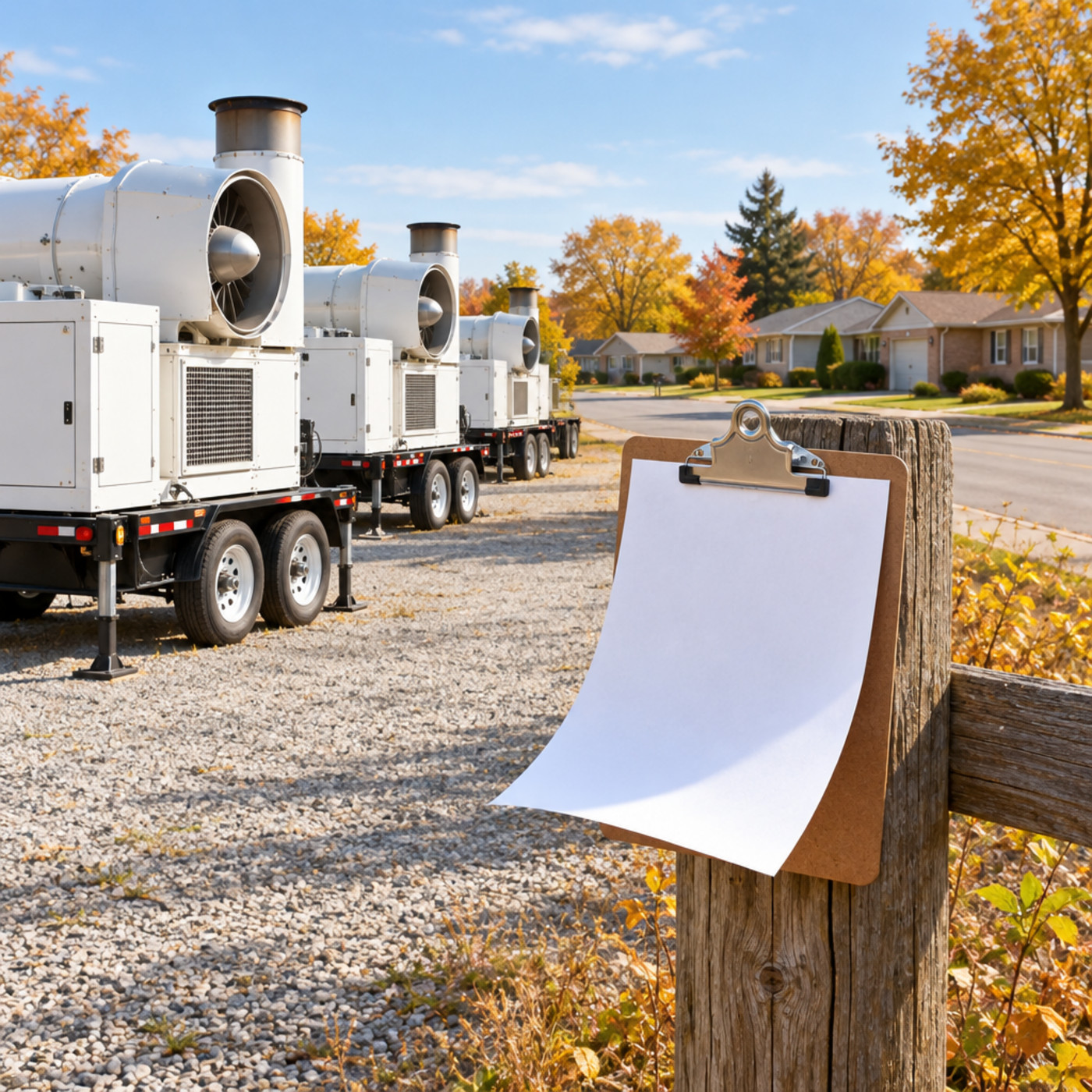
On Friday October 30 Judge Debra M. Brown of the Northern District of Mississippi refused to dismiss the NAACP's Clean Air Act suit over the trailer-mounted gas turbines powering Colossus 2 in Southaven, ruling they are not exempt 'mobile sources' and that citizen suits are constitutional. On Saturday Musk said on X that two more Colossus 2 sites, Gun Range and Spam, will be operational by the end of November and December, with about 1.2 million Nvidia Blackwell chips on the campus by year end. Contractors have filed more than $220 million in liens, the state is seeking $6.1 million in penalties, and the company is buying up neighbors' homes.
Our Take
Musk's AI company makes its own electricity on trailers, and the courts are only now catching up to the first plant while he announces two more sites, so the question is whether a permit system built around how long humans take to build things can see a power plant that arrives in weeks.
Continue Reading on Unscarcity
Friction Was the Regulation: Laws That Assumed Humans Cost Time
The permit exemption for 'mobile, temporary' generators assumed a power plant takes years to build and anything on a trailer is small and brief; xAI built a 495-megawatt plant out of trailers in four months, the mechanism-based rule became a loophole, and the judge had to write the outcome back in.
Own the Reactor, Own the Compute: Fusion's Power Race
xAI is the extreme case of owning the generator instead of queuing for the grid: that is why it can add 400,000 chips in two months, and it is also why the smokestack, the noise and the lawsuit are its own.