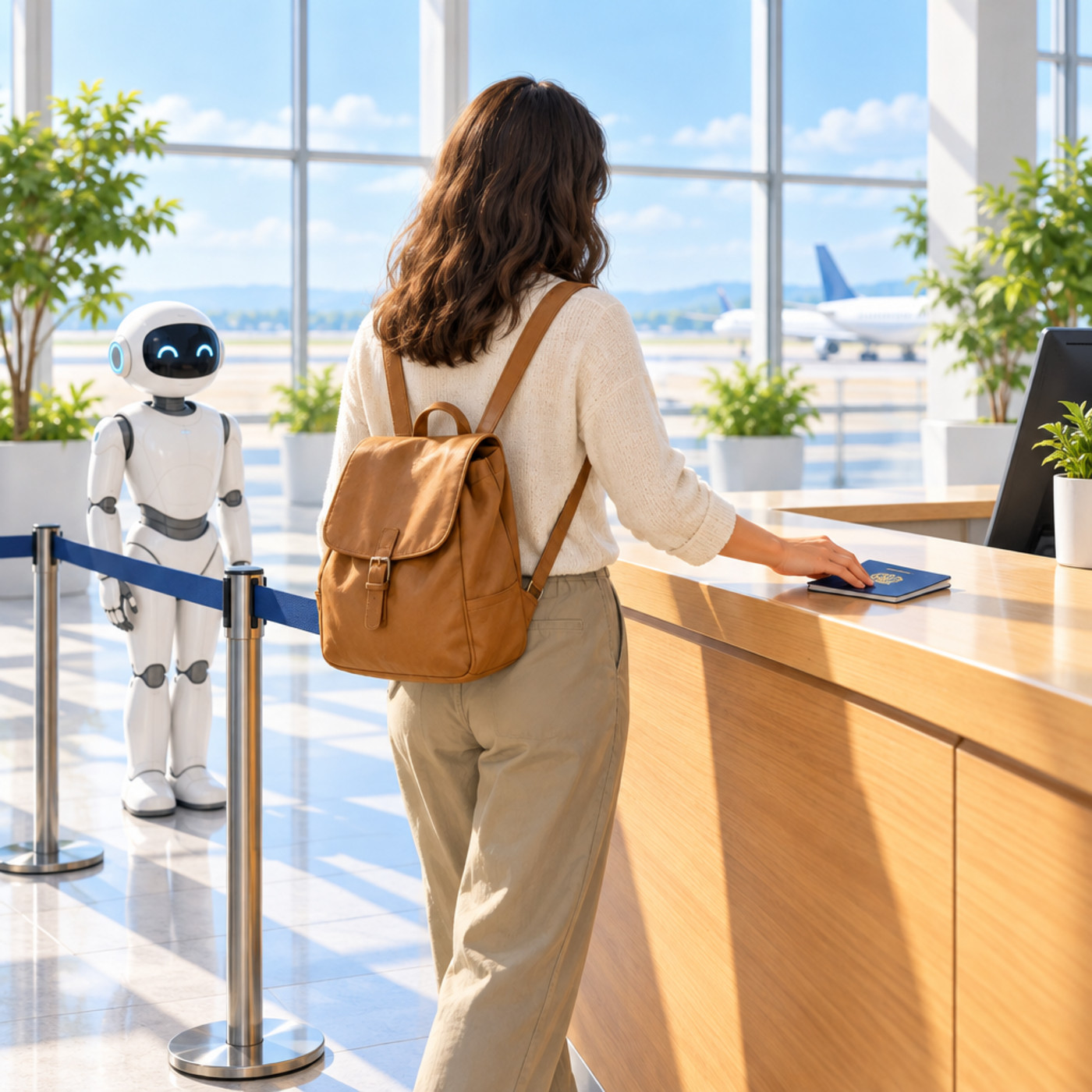
United Airlines Banned AI Agents From Booking Its Flights. Its CEO Says He Doesn't Want 'Another Middleman', and Uber Says the Bots Booked Four Rides Out of 320 Million
About This Episode
The Wall Street Journal reported on Wednesday, November 11 that United Airlines will stop personal AI assistants such as Meta's Muse and OpenAI's Dots from booking tickets, on its own site and through travel agencies and aggregators. United cited exposed credentials, unintended purchases and FAA/DOT rules; CEO Scott Kirby said a day earlier, 'To be honest, I don't want to create another middleman.' Agent bookings are still tiny (Uber counted four rides in Halloween week), but the same day a Citi executive said the companies behind the agents should pay when their agents book the wrong trip.
Our Take
United's ban is sold as protecting the traveler and admitted to be about the middleman, and both turn out to be the same question: an agent that wants to stand between you and the seller has to carry the cost of its own mistakes before anyone opens the door.
Continue Reading on Unscarcity
Human-in-the-Loop: Where AI Agents Must Stop
United let agents browse fares but stopped them at the purchase, which is the article's rule of putting the human checkpoint at the action that cannot be quietly undone, and it raises the article's question of who answers for what the agent does.
Value Migration: When the Input Goes Free, Where Does the Money Go?
Kirby's 'another middleman' and Uber's 'terms of trade' are a fight over the distribution doorway and the accountability layer, two of the places the article says money moves once intelligence gets cheap.