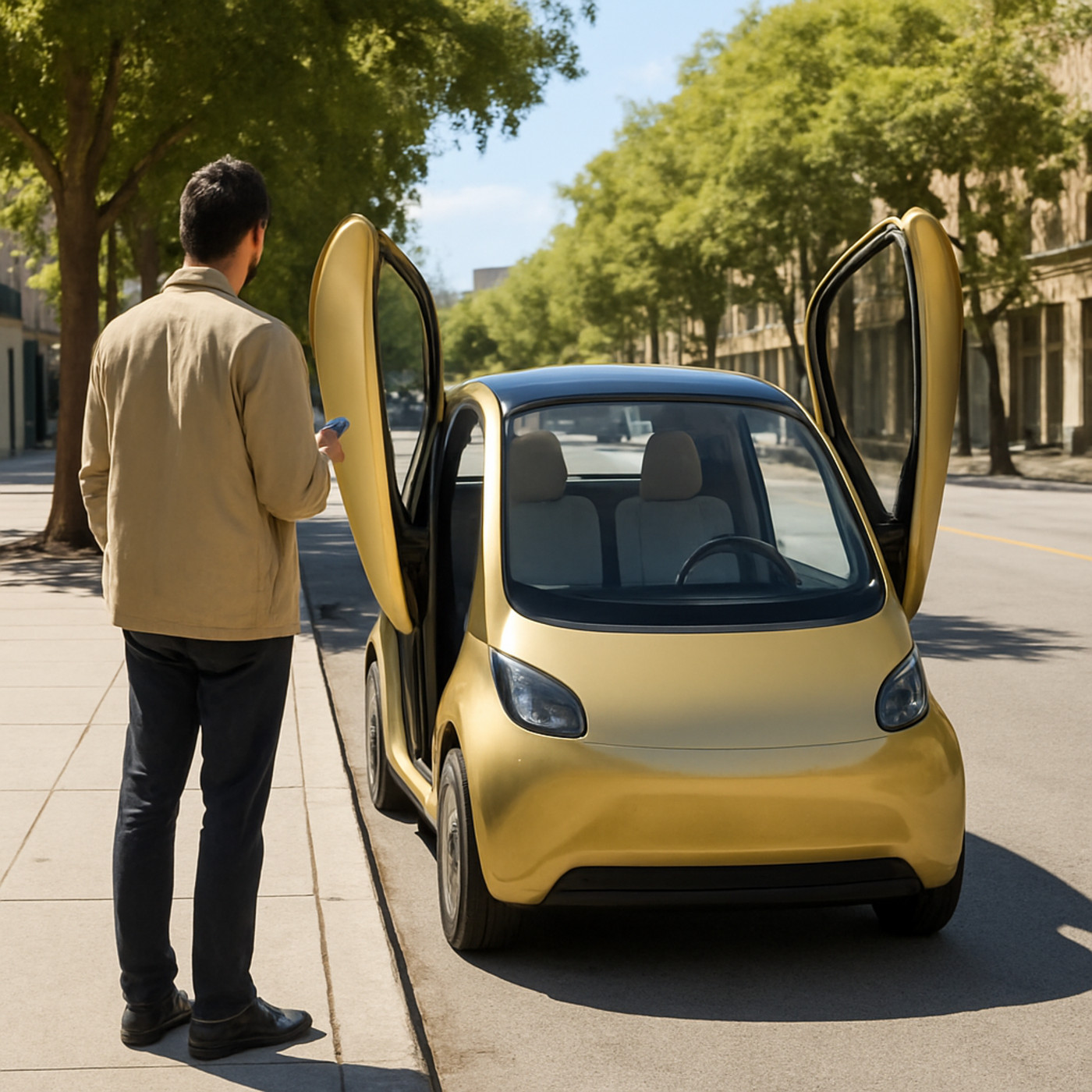
Tesla Just Put Paying Riders in a Car With No Steering Wheel, No Pedals, and No Way to Take Over
About This Episode
Tesla began offering rides in its two-seat Cybercab in limited areas of Austin on September 3, the first US robotaxi service in a vehicle built with no human controls at all. Only 45 Cybercabs are registered in Texas, federal rules cap how many such vehicles a maker can sell, seven in ten Americans say they are not comfortable in a driverless car, and Tesla's updated terms bar children under 13 and send disputes to arbitration.
Our Take
Two months after Tesla promised to take the last human out of its robotaxis, it did, and the episode asks what it put in his place: a remote operator for stalls, an arbitration clause for everything else, and a regulator that says it is evaluating.
Continue Reading on Unscarcity
The Liability Gap: What a License Really Sells
A human driver came bundled with someone answerable when things go wrong; with the wheel gone, what Tesla put in that place is an arbitration clause and a promo line, which is exactly the gap between reliable-as-accurate and reliable-as-insured.
Autonomy Theater: The Humans Behind 'Autonomous' Robots
Autonomy is a dimmer, not a switch: the Cybercab's human fallback did not vanish, it moved to a remote desk that can nudge a stalled car at walking speed, which is the middle band of the dimmer sold as the top.